The Oral-Systemic Connection: Periodontitis and Cardiovascular Disease - Clinical Evidence and Practice Implications
Comprehensive evidence-based guide on the periodontal-cardiovascular connection. Covers mechanisms, clinical trials, practice implications, and the latest research showing periodontal therapy may reduce atherosclerosis progression.

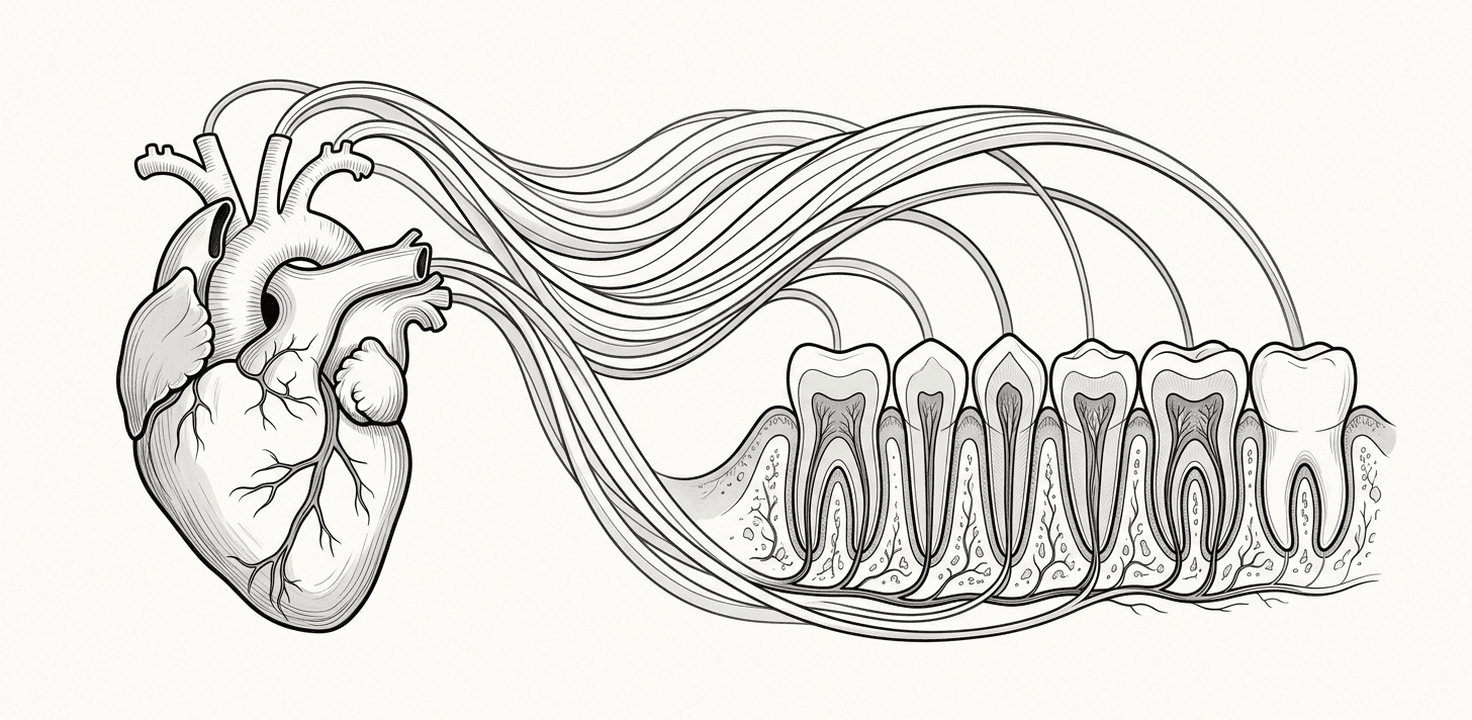
The Oral-Systemic Connection: Periodontitis and Cardiovascular Disease
Introduction: Beyond the Mouth
For decades, dentistry and medicine operated in parallel silos, with oral health viewed as distinct from systemic health. This paradigm is rapidly shifting. Mounting evidence now positions periodontitis as a chronic inflammatory disease with systemic implications, including cardiovascular disease (CVD).
Periodontitis affects over 40% of adults globally, with severe forms representing a leading cause of tooth loss. Contemporary research—including a randomized controlled trial published in the European Heart Journal (2025)—demonstrates that intensive periodontal therapy can slow the progression of subclinical atherosclerosis, supporting a biologically plausible link between oral inflammation and vascular disease.
Importantly, a 2025 American Heart Association (AHA) scientific statement concluded that periodontal disease is associated with atherosclerotic cardiovascular disease, with inflammation as a central shared pathway, while emphasizing that definitive causal reduction of cardiovascular events remains under investigation.
Diagnosing Periodontitis: Current Classification, Symptoms, and Clinical Relevance
Modern Classification (2017 World Workshop)
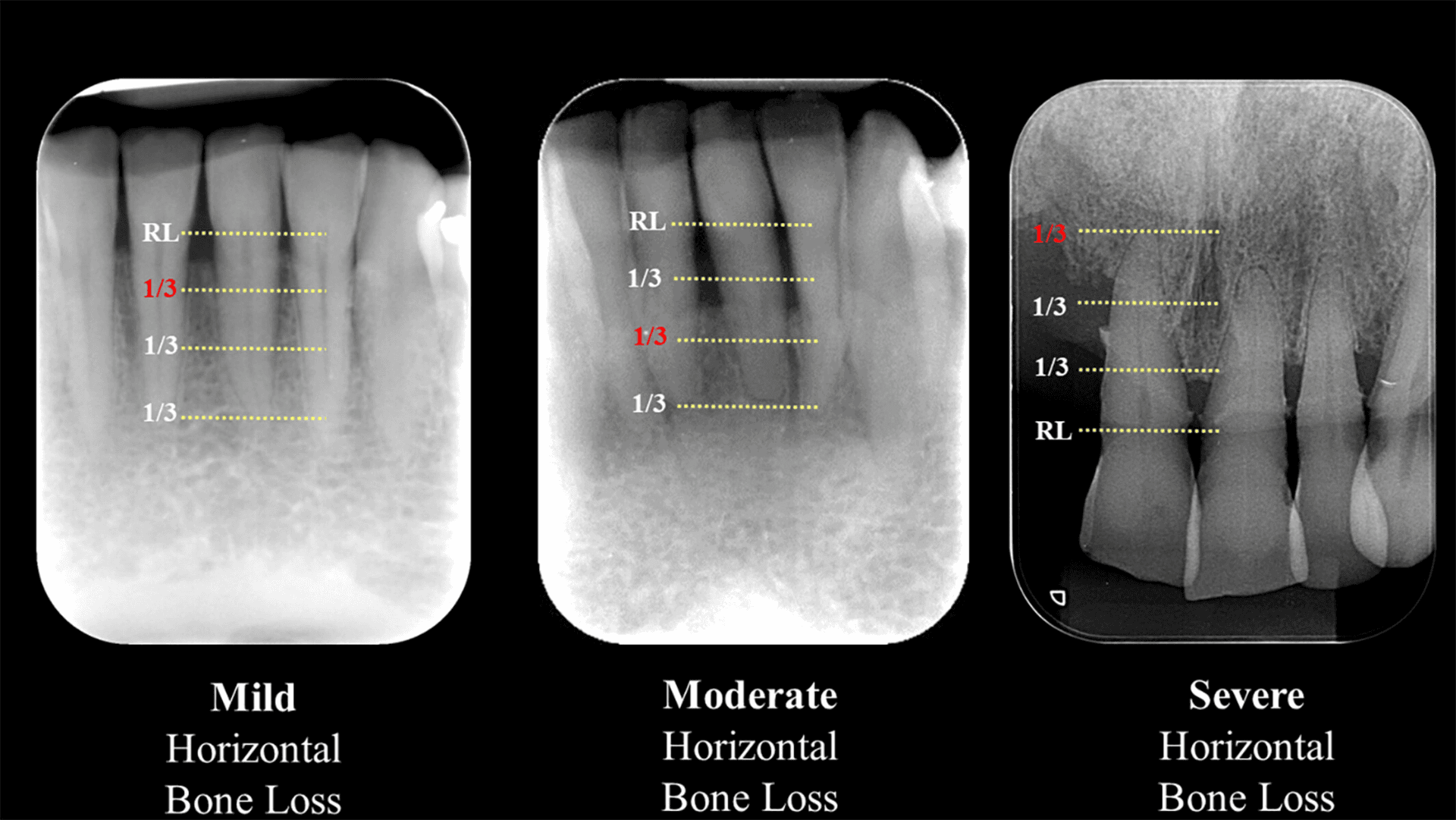 Figure 1. Severity of horizontal bone loss (mild, moderate, severe)
Three periapical radiographs of mandibular incisors illustrating horizontal bone loss: mild (loss confined to the coronal third of the root), moderate (middle third), and severe (apical third). Yellow dotted lines and reference line (RL) divide root length into thirds; the affected third is highlighted in red. Radiographic criteria useful for assessing periodontitis severity.
The terms “chronic” and “aggressive” periodontitis are no longer used. Instead, periodontitis is classified using a multidimensional framework:
- Stage (I–IV): severity and complexity
- Grade (A–C): rate of progression and risk
- Extent/distribution: localized, generalized, or molar-incisor pattern
A patient is diagnosed with periodontitis when:
- Interdental clinical attachment loss (CAL) is present at ≥2 non-adjacent teeth, or
- Buccal/oral CAL ≥3 mm with probing depth ≥3 mm at ≥2 teeth,
- And findings are not explained by non-periodontal causes
Symptoms and Clinical Signs
Patients may present with:
- Gingival bleeding
- Swelling, erythema
- Halitosis
- Gingival recession
- Tooth mobility or migration
- Pain on chewing
- Suppuration
- Tooth loss (advanced cases)
Because symptoms may be subtle, periodontal charting and radiographic evaluation are essential.
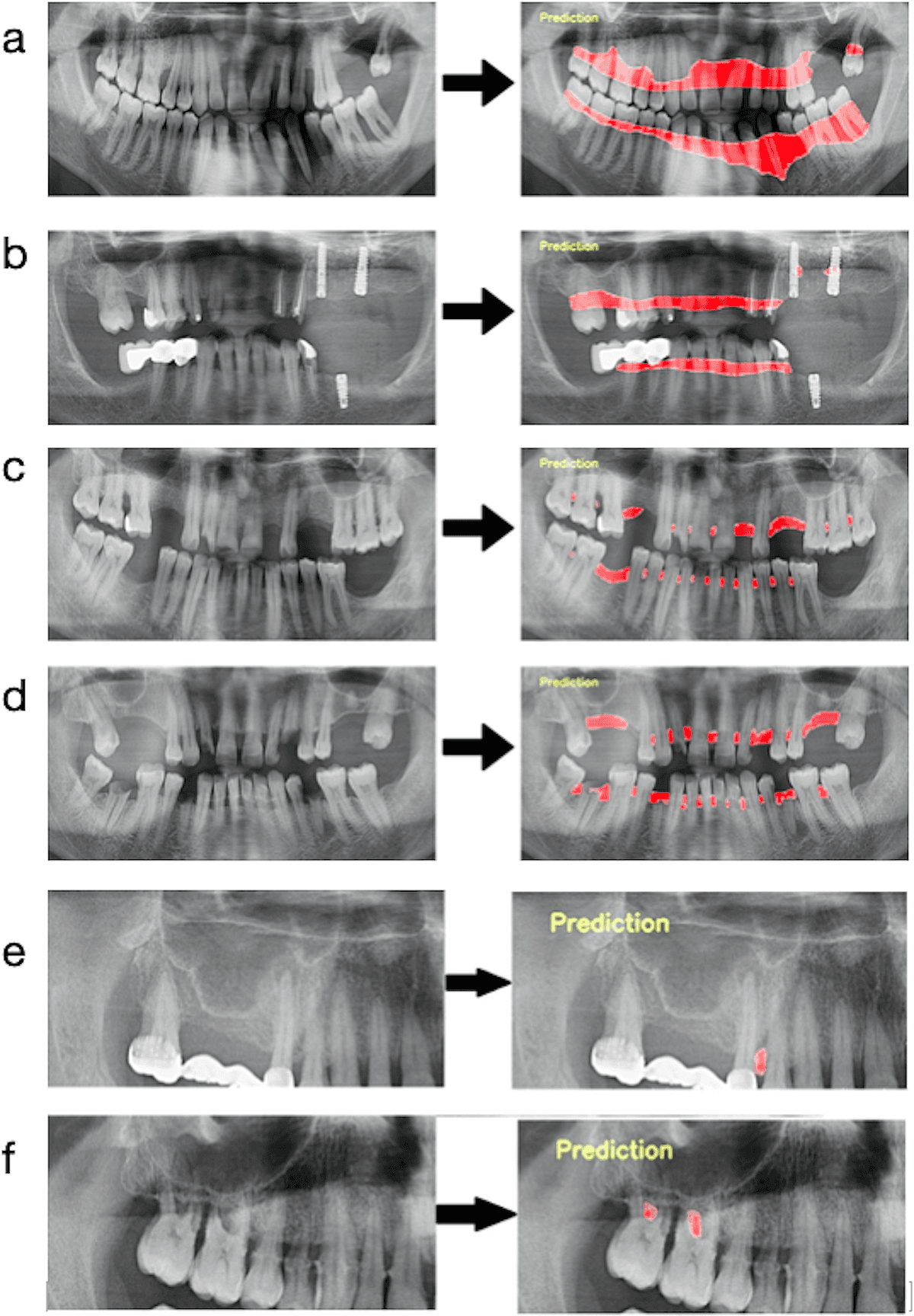
Figure 2. AI detection of periodontal bone loss (panoramic)
Six examples (a–f): left, original panoramic radiograph; right, AI prediction with red overlay of alveolar bone loss areas. Shown are generalized horizontal bone loss, bone level assessment around implants, severe resorption, and localized or furcation-involved lesions. Illustrates the role of AI in identifying and delineating at-risk periodontal areas.
Diagnostic Table
| Diagnostic element | What to assess | Clinical relevance |
|---|---|---|
| Case definition | CAL and probing depth | Confirms periodontitis diagnosis |
| Stage | Severity, bone loss, complexity | Guides treatment planning |
| Grade | Progression risk, smoking, diabetes | Determines prognosis |
| Extent | Localized vs generalized | Refines diagnosis |
| Inflammation | Bleeding on probing, suppuration | Indicates active disease |
| Structural damage | Bone loss, mobility, furcation | Reflects destruction |
| Systemic modifiers | Smoking, diabetes, CVD | Influences risk and outcomes |
Understanding the Biological Mechanisms
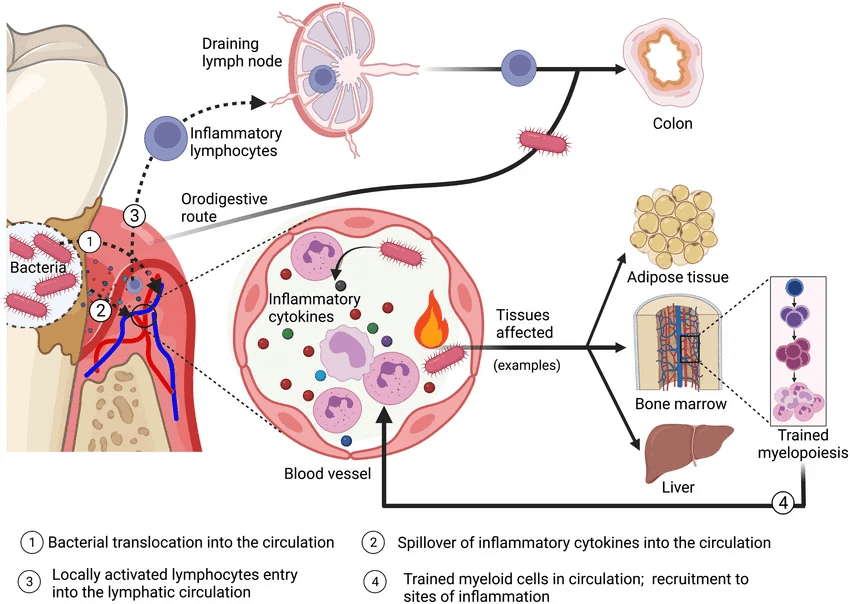
Figure 3. The Oral–Systemic Pathway Linking Periodontitis to Cardiovascular Disease
Schematic representation showing how periodontal inflammation leads to systemic dissemination of inflammatory mediators and bacteria, promoting endothelial dysfunction, oxidative stress, and atherogenesis.
The Inflammatory Pathway
Periodontitis is driven by a dysregulated host response to microbial biofilm, leading to systemic dissemination of inflammatory mediators such as IL-1β, TNF-α, and IL-6.
These mediators promote:
- Endothelial dysfunction
- Oxidative stress
- Atherogenesis
This results in a state of chronic low-grade systemic inflammation, a recognized contributor to cardiovascular disease.
The Microbial Connection: Porphyromonas gingivalis
P. gingivalis plays a central role in linking oral and vascular pathology.
Direct effects:
- Entry into bloodstream during brushing, chewing, or dental procedures
- Detection of bacterial DNA in atherosclerotic plaques
- Endothelial invasion and apoptosis
- Virulence factors (LPS, gingipains) activating inflammatory signaling
Indirect effects:
- Systemic inflammation (CRP, IL-6 elevation)
- Lipid modification (atherogenic LDL changes)
- Molecular mimicry triggering immune responses
How Oral Bacteria Reach the Heart
In periodontitis, ulcerated pocket epithelium provides a direct pathway for bacteria into circulation.
Transient bacteremia occurs during:
- Tooth brushing
- Flossing
- Chewing
- Dental procedures
Once in circulation:
- Bacteria and endotoxins amplify systemic inflammation
- Pathogens may localize within vascular lesions
- In susceptible individuals, bacteria may colonize cardiac structures
In infective endocarditis, bacteria adhere to damaged endocardium or prosthetic material, forming vegetations.
Which Patients Are Most Exposed?
Higher exposure to bacteremia:
- Active bleeding periodontitis
- Deep periodontal pockets
- Poor oral hygiene
- High plaque burden
Higher risk of severe cardiac consequences:
- Prosthetic heart valves
- Previous infective endocarditis
- Certain congenital heart diseases
- Cardiac transplant patients with valvular disease
These patients require strict oral health maintenance and, in some cases, antibiotic prophylaxis.
Oxidative Stress and Endothelial Dysfunction
Periodontal inflammation increases reactive oxygen species (ROS), leading to:
- LDL oxidation
- eNOS dysfunction
- Reduced nitric oxide availability
This contributes directly to vascular dysfunction and plaque formation.
Epidemiological Evidence
Coronary Heart Disease and Stroke
- Periodontitis is associated with 1.1–2.2× increased risk of CHD
- Increased carotid intima-media thickness (cIMT)
- Adverse lipid profiles
Hypertension
- 20–50% increased risk of hypertension
- Periodontal therapy associated with ~10 mmHg systolic BP reduction in some trials
Atrial Fibrillation and Heart Failure
- Observational studies suggest increased AF risk
- Associations with heart failure reported in population studies
However:
These relationships remain associational, and causality is not definitively established.
Early-Life Oral Health
A large Danish cohort (~568,000 individuals) found:
- Childhood oral disease associated with increased adult cardiovascular risk
- Dose-response relationship observed
This suggests early inflammatory exposure may influence long-term risk.
Clinical Trial Evidence
European Heart Journal Trial (2025)
Key findings:
- Reduced cIMT progression
- Improved endothelial function
- Reduced systemic inflammation
These effects occurred independently of traditional risk factors.
Additional Evidence
- Improved flow-mediated dilation after therapy
- Reduced CRP and inflammatory markers
- Blood pressure improvements
Clinical Implications for Practice
Risk Awareness
Dentists should assess:
- Cardiovascular history
- Medications
- Risk factors (smoking, diabetes)
Treatment Strategy
- Intensive periodontal therapy when indicated
- Maintenance every 3 months
- Emphasize systemic benefits alongside oral outcomes
Medical Collaboration
- Refer high-risk patients
- Communicate findings with physicians
- Coordinate care for complex patients
Emerging Concept: Periodontal Cardiology
A growing field integrating:
- Oral inflammation
- Cardiovascular risk
- Preventive care
Supported by European Federation of Periodontology (EFP) guidelines.
Limitations and Future Directions
Limitations
- Predominantly observational data
- Moderate effect sizes
- Residual confounding
Research Needs
- Large RCTs with hard endpoints
- Mechanistic studies
- Cost-effectiveness analyses
Conclusion
The link between periodontitis and cardiovascular disease is now well-supported biologically and epidemiologically.
Recent clinical trials suggest that treating periodontal inflammation may slow vascular disease progression, although definitive cardiovascular outcome reduction remains to be proven.
Periodontal care should therefore be viewed not only as dental therapy, but as part of integrated systemic health management.
References
- Orlandi M, et al. European Heart Journal. 2025.
- American Heart Association. Periodontal Disease and ASCVD. Circulation. 2025.
- Papapanou PN, et al. J Clin Periodontol. 2018.
- Sanz M, et al. EFP Guidelines. 2020.
- Huang X, et al. Cell Reports. 2025.
- Gupta V, et al. Oral Diseases. 2025.
- NHANES III analysis on periodontitis and heart failure.
- Danish cohort study. International Journal of Cardiology. 2026.
- ADA & AHA Infective Endocarditis Guidelines.